
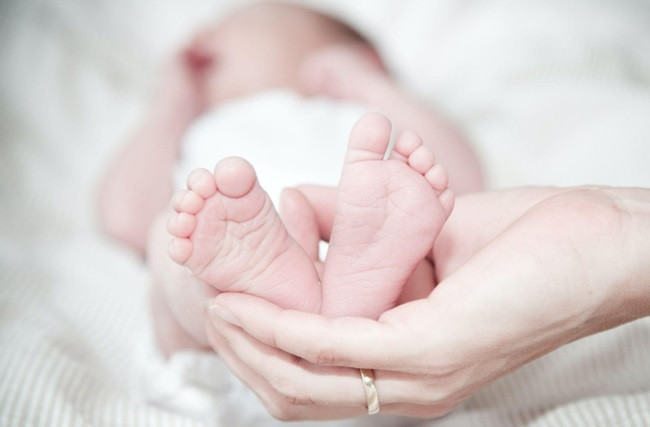
The first weeks with a newborn are unlike anything you've experienced before — beautiful, exhausting, disorienting, and relentless in equal measure. The parents who find the transition most manageable are almost always the ones who did the preparation work before the baby arrived, not after.
You cannot prepare for everything. But you can absolutely reduce the number of things you'll need to figure out on no sleep with a crying baby. Here are the practical steps that make the biggest difference — from setting up bottle labeling systems to freezer meal prep and postpartum recovery essentials.
In This Article
From the founder of Sticky Monkey Labels
As a mom of three boys and the founder of Sticky Monkey Labels, I built this business when my youngest was eight weeks old. I know what the early weeks actually look like — and how much easier they are when you've done the preparation work before the baby arrives rather than after.
1. Set Up Your Bottle Labeling System Before the Baby Arrives
This sounds like a small thing, but it becomes genuinely important very quickly — especially once your baby starts daycare. Most daycare centers require bottles to be labeled with the child's name, the contents, and the date of preparation. And even at home, when you're sleep-deprived and managing multiple prepared bottles in the fridge, knowing exactly what's in each one and when it was prepared matters for food safety.
Our write-on baby bottle labels are designed for exactly this daily system. Apply the label to the bottle once — then write the name, contents, and date each day, wipe clean, and rewrite the next day. They come with our tested semi-permanent marker and wax-based pencil — the marker wipes off with water, the pencil with a dry cloth.
Key benefits of a labeled bottle system:
- Hygiene and safety — labeled bottles prevent mix-ups at daycare, where multiple babies may have similar-looking bottles. For babies with specific formula types or any dietary needs, this matters significantly.
- Food safety tracking — breast milk and prepared formula both have specific safe-use windows. A date on the label means you and any caregiver always know how old the contents are.
- Reduced mental load — not having to remember which bottle was filled when is genuinely valuable when you're operating on interrupted sleep.
Our bottle labels are waterproof, dishwasher-safe (top rack), bottle warmer-safe, sterilizer-safe, and refrigerator and freezer-safe — they handle the full daily cycle of newborn bottle use. We carry different label styles to fit specific bottle brands: curved rim labels for Avent® and Tommee Tippee®, slim rim labels for Comotomo®, and standard labels for straight-bodied bottles.
2. Put Together a Postpartum Recovery Basket
Most pregnancy resources cover what happens to your body during pregnancy in detail. Postpartum recovery gets significantly less attention — which means many new parents are genuinely unprepared for what their body goes through in the weeks after delivery. Putting a recovery basket together before you leave for the hospital means it's ready and waiting when you get home.
Physical recovery essentials:
- Maternity pads (heavy flow for the first days)
- Perineal spray or cooling pads for comfort and healing
- Stool softeners — often recommended after delivery
- Pain relief as recommended by your healthcare provider
- A peri bottle for postpartum hygiene
- Witch hazel pads
Breastfeeding essentials (if applicable):
- Nursing bras and nursing tank tops
- Nipple cream or lanolin
- Nursing pads
- Breast pump and storage bags, if pumping
Comfort and wellbeing:
- Loose, comfortable clothing — waistbands will be unwelcome for several weeks
- A water bottle you can use one-handed while feeding
- High-protein snacks you can eat one-handed
- Something to read or watch during night feeds
- A good nightlight for night feeds that won't fully wake you or the baby
3. Prep and Label Freezer Meals in Advance
The first two to three weeks after a baby arrives are not a time when anyone has the capacity to cook from scratch. A well-stocked freezer of prepared meals is one of the most practical gifts you can give yourself before the birth — and one of the most underutilized.
The most freezer-friendly meal categories:
- Casseroles — lasagna, mac and cheese, enchiladas, shepherd's pie. All freeze and reheat well with minimal prep.
- Soups and stews — batch cook in large quantities, portion into containers, freeze. Hearty and reheatable in minutes.
- Sauces — tomato sauce, pesto, curry bases. Freeze in portions; add pasta or rice when needed.
- Breakfast items — muffins, overnight oats portioned into jars, breakfast burritos. Easy one-handed eating during morning feeds.
- Snacks — energy balls, sliced vegetables with portioned dips, cheese and crackers in accessible containers. You will be hungry constantly. Have things you can eat one-handed without preparation.
The step most people skip: labeling what they've prepared. A freezer full of unlabeled containers becomes a mystery archive within two weeks — nobody touches the things they can't identify, and food gets wasted. Our write-on labels are refrigerator and freezer-safe — apply to each container, write the contents and the date prepared, and you'll always know exactly what you have and how long it's been there. When the container is emptied, wipe and reuse for the next batch.
4. Get Your Home Organized Before Day One
Home organization with a newborn is much easier to establish before they arrive than after. Once the baby is home, every available moment of capacity goes toward keeping the baby alive and getting any sleep possible. The organizational systems that are in place before day one are the ones that will actually function in those first weeks.
A few high-priority pre-arrival organizational tasks:
- Set up a rolling cart or accessible station for daily essentials. Diapers, wipes, diaper cream, spare onesies, labeled bottles — everything you'll reach for repeatedly should be immediately accessible, not stored in a cupboard. A rolling cart you can move to wherever you're feeding or changing means you're never leaving the baby to retrieve something.
- Label clothing storage by size. Babies outgrow sizes faster than most new parents expect. Setting up clearly labeled storage bins — newborn, 0-3 months, 3-6 months — before the baby arrives means the transition between sizes is organized rather than chaotic. Our clothing storage labels are designed specifically for this use and durable enough to last through years of storage.
- Label toy and item storage. It sounds premature, but babies accumulate items faster than anyone anticipates. Labeled bins for different toy types, comfort items, and gear mean you can find what you need without searching and put things away without thinking. Our write-on labels on storage bins can be updated as your baby grows and their needs change.
- Set up a system for tracking feeding and sleep. In the first weeks, you'll need to track how often your baby feeds, for how long, and when they last slept. A simple app or a notepad kept in the feeding station works — the important thing is having the system ready before you need it, rather than trying to set it up at 3am with a newborn.
Browse our full range at Sticky Monkey Labels — including baby bottle labels, write-on labels, clothing labels, and baby label packs. Have questions? Call us at 1-888-780-7734.
Frequently Asked Questions
What should I prepare before my baby arrives?
The highest-impact preparations are: a stocked freezer of labeled meals, a postpartum recovery basket assembled and ready, a rolling cart with daily baby essentials immediately accessible, labeled bottle supplies set up and ready to use, and clothing storage labeled by size. Everything you set up before the baby arrives is one less thing to figure out on sleep deprivation.
Why do I need to label baby bottles?
At daycare, labeled bottles are typically required — centers need your baby's name, the contents, and the date of preparation on each bottle. At home, labeling helps track how old prepared breast milk or formula is for food safety, and prevents any confusion when multiple bottles are stored in the fridge. Write-on labels that can be updated daily are the most practical solution for the ongoing bottle labeling routine.
What meals freeze best for postpartum meal prep?
Casseroles, soups and stews, pasta sauces, and breakfast items like muffins and breakfast burritos all freeze and reheat well. The key is labeling everything clearly with contents and date before it goes in the freezer — unlabeled frozen food doesn't get used. Write-on labels that adhere to food containers and are freezer-safe are the most practical tool for keeping a labeled freezer stash.
How should I organize baby clothing before the baby arrives?
Set up clearly labeled storage bins by size — newborn, 0-3 months, 3-6 months, and so on — before the baby arrives. When items are outgrown, they go directly into the correct bin. This makes size transitions fast, supports hand-me-down management for future children, and means clothing storage is organized from day one rather than becoming a chaotic pile.
What labels do I need as a new parent?
Our Baby Label Pack with 84 waterproof labels covers the essentials — bottles, sippy cups, food containers, pacifiers, and personal care items. Write-on labels are ideal for food storage and bottle labeling. Clothing storage labels organize outgrown clothing by size. Clothing labels for the baby's garments become important once daycare starts. All of these can be set up in advance and ready before the baby arrives.